
WHAT IS A CLIMATE CHANGE:
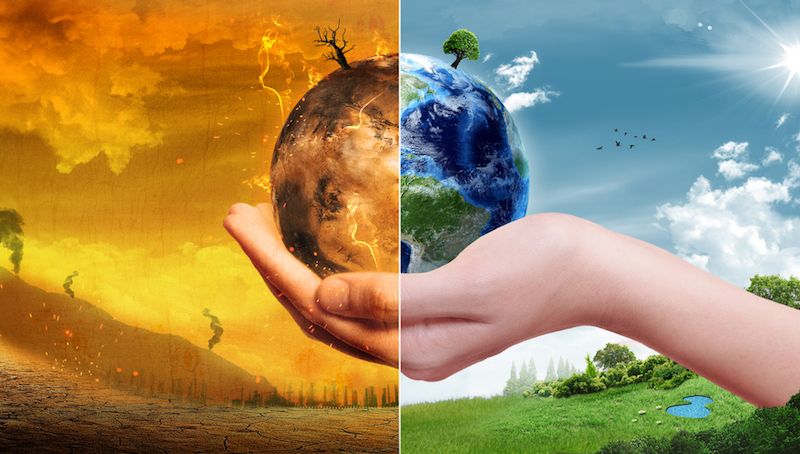
Climate change refers to long-term shifts in temperatures and weather patterns. Such shifts can be natural, due to changes in the sun’s activity or large volcanic eruptions. But since the 1800s, human activities have been the main driver of climate change, primarily due to the burning of fossil fuels like coal, oil and gas.
Burning fossil fuels generates greenhouse gas emissions that act like a blanket wrapped around the Earth, trapping the sun’s heat and raising temperatures.
The main greenhouse gases that are causing climate change include carbon dioxide and methane. These come from using gasoline for driving a car or coal for heating a building, for example. Clearing land and cutting down forests can also release carbon dioxide. Agriculture, oil and gas operations are major sources of methane emissions. Energy, industry, transport, buildings, agriculture and land use are among the main sectors causing greenhouse gases.
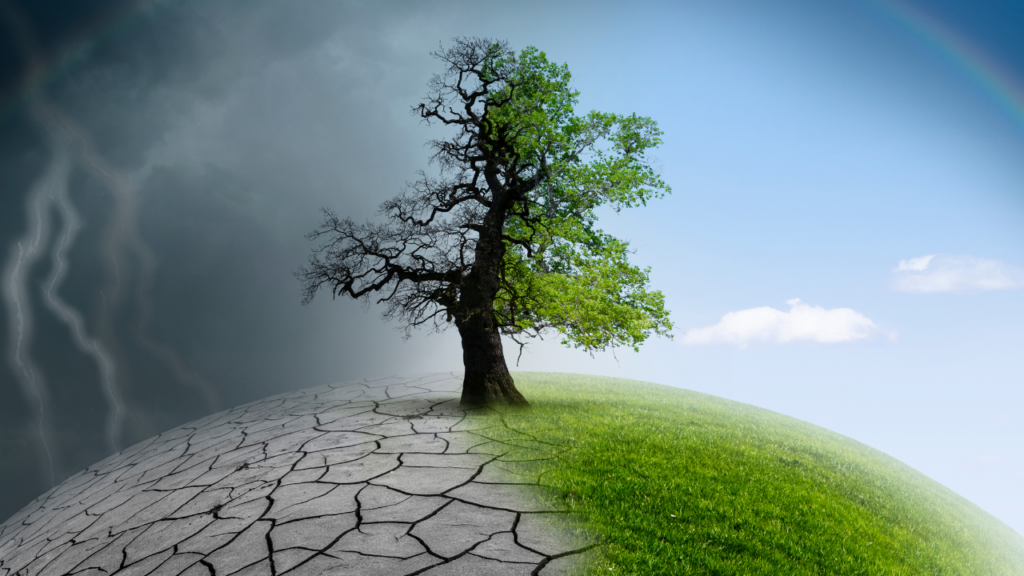
Humans are responsible for global warming.
Climate scientists have showed that humans are responsible for virtually all global heating over the last 200 years. Human activities like the ones mentioned above are causing greenhouse gases that are warming the world faster than at any time in at least the last two thousand years.
The average temperature of the Earth’s surface is now about 1.2°C warmer than it was in the late 1800s (before the industrial revolution) and warmer than at any time in the last 100,000 years. The last decade (2011-2020) was the warmest on record, and each of the last four decades has been warmer than any previous decade since 1850.
Many people think climate change mainly means warmer temperatures. But temperature rise is only the beginning of the story. Because the Earth is a system, where everything is connected, changes in one area can influence changes in all others.
The consequences of climate change now include, among others, intense droughts, water scarcity, severe fires, rising sea levels, flooding, melting polar ice, catastrophic storms and declining biodiversity.
Causes and Effects of Climate Change.
Fossil fuels – coal, oil and gas – are by far the largest contributor to global climate change, accounting for over 75 percent of global greenhouse gas emissions and nearly 90 percent of all carbon dioxide emissions.
As greenhouse gas emissions blanket the Earth, they trap the sun’s heat. This leads to global warming and climate change. The world is now warming faster than at any point in recorded history. Warmer temperatures over time are changing weather patterns and disrupting the usual balance of nature. This poses many risks to human beings and all other forms of life on Earth.
HERE ARE SOME OF CAUSES AND EFFECTS OF CLIMATE CHANGE:
Generating power.
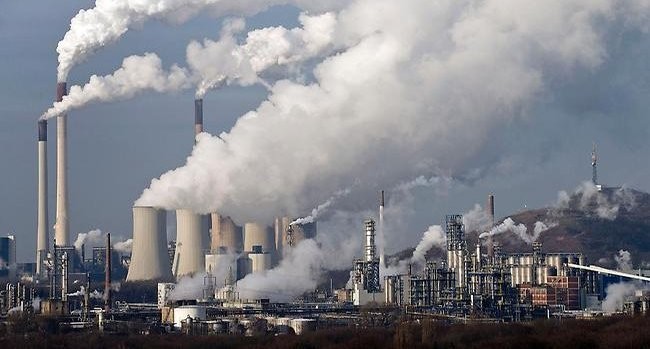
Generating electricity and heat by burning fossil fuels causes a large chunk of global emissions. Most electricity is still generated by burning coal, oil, or gas, which produces carbon dioxide and nitrous oxide – powerful greenhouse gases that blanket the Earth and trap the sun’s heat. Globally, a bit more than a quarter of electricity comes from wind, solar and other renewable sources which, as opposed to fossil fuels, emit little to no greenhouse gases or pollutants into the air.
Manufacturing goods.
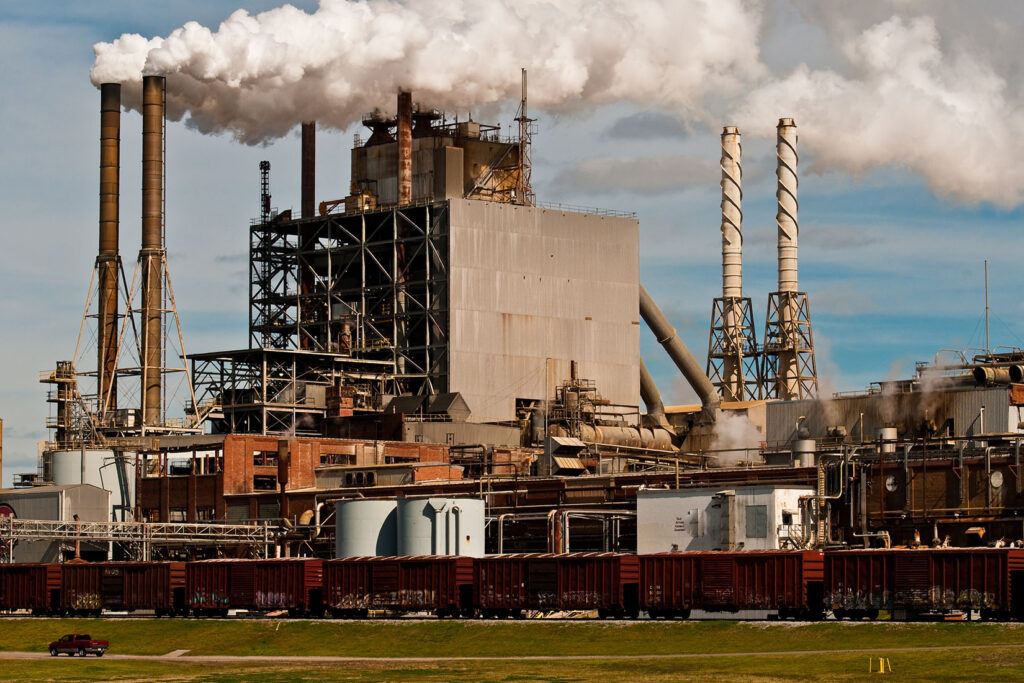
Manufacturing and industry produce emissions, mostly from burning fossil fuels to produce energy for making things like cement, iron, steel, electronics, plastics, clothes, and other goods. Mining and other industrial processes also release gases, as does the construction industry. Machines used in the manufacturing process often run on coal, oil, or gas; and some materials, like plastics, are made from chemicals sourced from fossil fuels. The manufacturing industry is one of the largest contributors to greenhouse gas emissions worldwide.
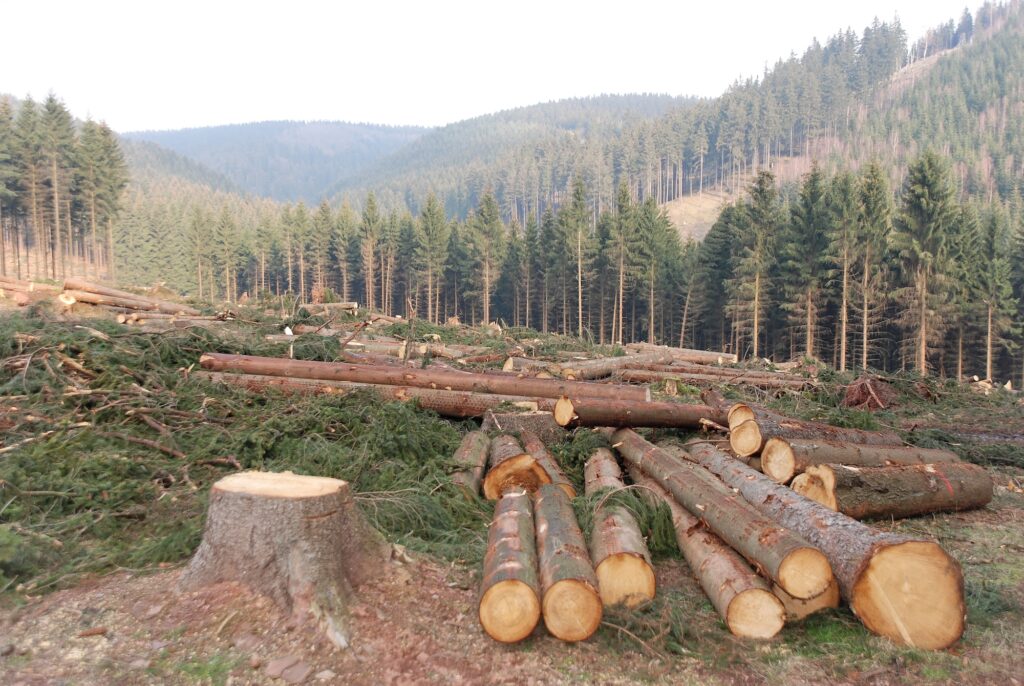
Cutting down forests.
Cutting down forests to create farms or pastures, or for other reasons, causes emissions, since trees, when they are cut, release the carbon they have been storing. Each year approximately 12 million hectares of forest are destroyed. Since forests absorb carbon dioxide, destroying them also limits nature’s ability to keep emissions out of the atmosphere. Deforestation, together with agriculture and other land use changes, is responsible for roughly a quarter of global greenhouse gas emissions.
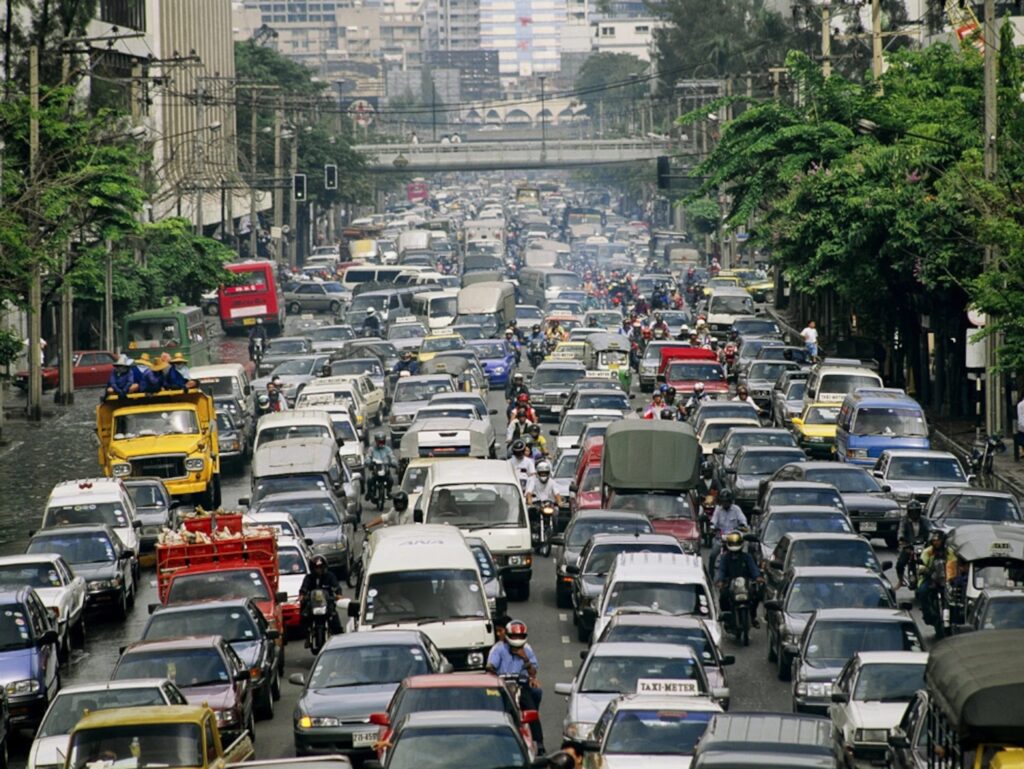
Using transportation.
Most cars, trucks, ships, and planes run on fossil fuels. That makes transportation a major contributor of greenhouse gases, especially carbon-dioxide emissions. Road vehicles account for the largest part, due to the combustion of petroleum-based products, like gasoline, in internal combustion engines. But emissions from ships and planes continue to grow. Transport accounts for nearly one quarter of global energy-related carbon-dioxide emissions. And trends point to a significant increase in energy use for transport over the coming years.
Powering buildings.
Globally, residential and commercial buildings consume over half of all electricity. As they continue to draw on coal, oil, and natural gas for heating and cooling, they emit significant quantities of greenhouse gas emissions. Growing energy demand for heating and cooling, with rising air-conditioner ownership, as well as increased electricity consumption for lighting, appliances, and connected devices, has contributed to a rise in energy-related carbon-dioxide emissions from buildings in recent years.
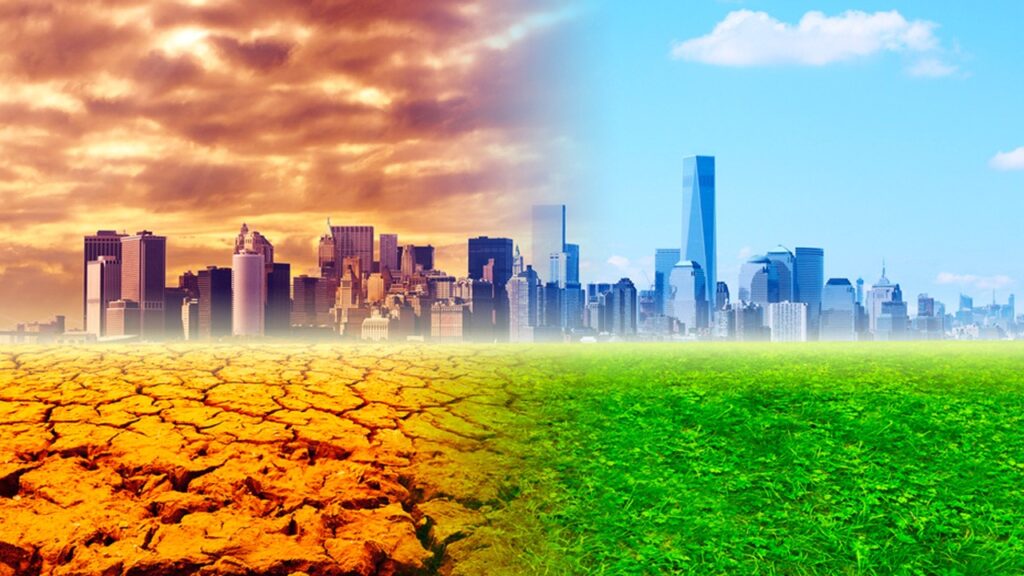
Consuming too much.
Your home and use of power, how you move around, what you eat and how much you throw away all contribute to greenhouse gas emissions. So does the consumption of goods such as clothing, electronics, and plastics. A large chunk of global greenhouse gas emissions are linked to private households. Our lifestyles have a profound impact on our planet. The wealthiest bear the greatest responsibility: the richest 1 per cent of the global population combined account for more greenhouse gas emissions than the poorest 50 per cent.
The solutions to climate change.
Human activities, such as burning fossil fuels and destroying rainforests, have an increasing influence on the climate and the Earth’s temperature. This adds huge quantities of greenhouse gases to those naturally present in the atmosphere, increasing the greenhouse effect and global warming. Causing the most damage is, above all, the consumption of coal, oil and gas, which represent the majority of greenhouse gas emissions. In 2019, according to McKinsey’s Global Energy Perspective 2019, fossil fuels were responsible for 83% of total CO2 emissions and the production of electricity from coal-fired power stations alone contributed 36%, even though in 2020 – on account of the Covid-19 pandemic – emissions fell dramatically (source: World Energy Outlook 2020). It is estimated that the current trend of CO2 emissions due to burning coal is responsible for around a third of the increase of 1°C in average annual temperatures above pre-industrial levels, making it the largest source of emissions in all of human history. In absolute terms, oil is the second largest source of emissions, having produced 12.54 billion tons of CO2 (86% of the total carbon emissions of 14.55 billion tons) in 2019.
The destruction of forests also causes substantial damage: trees help regulate the climate by absorbing carbon dioxide from the atmosphere, so if they are destroyed, this beneficial effect is diminished and the carbon stored in those trees is emitted into the atmosphere, adding to the greenhouse effect.
Hope for the Future:
While the situation is dire, there is still hope. The rapid growth of renewable energy technologies, increasing awareness, and global efforts to address climate change provide a foundation for positive change. By making conscious choices in our daily lives, supporting policies that promote sustainability, and embracing new technologies, we can reduce emissions and build a more resilient planet.
For more information, visit the UN’s climate change page: [UN Climate Change](https://www.un.org/en/climatechange/what-is-climate-change)